

Tel : +86-760-89921987
Fax : +86-760-88483779
Views: 0 Author: Site Editor Publish Time: 2025-12-08 Origin: Site


When it comes to designing a bathroom, choosing the right shower door is crucial not only for functionality but also for aesthetics and cost. Among the most popular options are sliding shower doors and hinged shower doors. Both offer distinct advantages, but their costs can vary depending on several factors such as size, materials, and installation complexity. Sliding doors are often favored for their space-saving design, especially in smaller bathrooms, while hinged doors offer a more traditional look with a wider opening. Understanding the cost differences between these two types of doors can help you make a more informed decision. This article will explore the key factors that affect the cost of sliding and hinged shower doors, offering a breakdown of their price ranges, installation costs, and the long-term financial considerations of both options.
When choosing between sliding and hinged shower doors, several key factors influence the overall cost. These include materials, customization, design features, and installation. Let’s break them down:
The material of the shower doors and hardware plays a significant role in the price:
Glass: Tempered glass is commonly used for both sliding and hinged doors. Thicker glass or specialty glass, like frosted or etched designs, can increase the price.
Frame Material: The material of the frame (e.g., stainless steel, aluminum, or brass) affects both durability and cost. Stainless steel frames are often more expensive but provide superior corrosion resistance.
Finish: Premium finishes or coatings, such as brushed nickel or chrome, will increase the overall cost due to their aesthetic appeal and durability.
Standard Sizes: Standard-sized shower doors are usually less expensive because they require less custom work and are widely available.
Custom Sizes: Custom doors for unusually shaped or sized shower openings will significantly increase costs. This can include special shapes (e.g., curved, arched) or custom dimensions to fit larger or smaller spaces.
The design and additional features impact the complexity and cost of the shower door:
Frameless vs. Framed: Frameless shower doors, which are sleek and modern, often cost more due to the precise manufacturing required.
Additional Features: Extras such as decorative finishes, specialty coatings for scratch or water resistance, or high-performance hardware like heavier-duty hinges or handles add to the overall cost.
Tempered Glass: Higher-quality tempered glass, which offers increased safety, can also drive up costs, especially in larger doors.
Labor Costs: Professional installation is typically required for both sliding and hinged doors, especially for frameless models. The complexity of installation (e.g., tiling, wall preparation, leveling) will affect the labor costs.
DIY vs. Professional: While DIY installation can save money, professional installation ensures correct fitting and alignment, reducing the risk of problems like leaks or malfunctioning doors.
Time and Difficulty: The installation of sliding doors may take less time than hinged doors since they don’t require the same kind of door swing space. The more difficult the installation, the higher the cost.
Here’s a detailed breakdown of the typical costs you can expect when choosing a sliding shower door, including different tiers and installation factors.
Basic framed sliding shower doors generally cost around $300–$600 for the door itself.
When installed, standard sliding doors (framed or semi framed) typically range from $250–$780 for installation of the door alone or $400–$1,000+ when factoring in full installation.
Sliding doors made with high end materials (frameless glass, thicker tempered glass, premium hardware) generally range from $950–$1,500 for the door itself.
Full installation for premium sliding doors can push the total cost to around $450–$1,450 or more, depending on size, material and complexity.
Labor and setup for sliding shower doors vary widely depending on site conditions, wall type, glass complexity and local labor rates. For sliding configurations, installation labor alone often falls in the range of $150–$450.
Larger openings, custom fits, or difficult wall/floor surfaces increase cost. One guide shows total installed cost averages around $959, with most homeowners spending $530–$1,389 on standard installations.
Typical sliding shower doors start around $300–$600 for framed models.
Installation for sliding doors usually adds $150–$450 in labor, depending on complexity.
Full installed cost for standard sliding doors tends to be in the range of $600–$1,200 for typical home bathrooms.
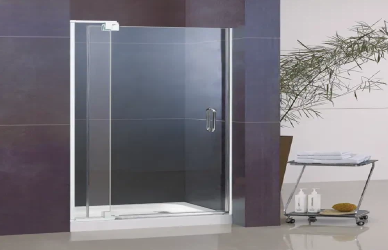
Basic framed hinged shower doors often cost around $400–$800 for the door itself.
Semi frameless hinged doors with upgraded hardware and glass may run $800–$1,300 or more.
Premium frameless hinged doors (large size, thick glass, custom hardware) can range from $1,300–$2,000+ or higher depending on size and finish.
Installation costs for hinged doors tend to be higher, often $250–$500 in labor, due to the need for precise hinge alignment, swing clearance, and seal work.
Swing Clearance: Hinged doors require space to open outward (or inward), which may require additional bathroom layout adjustments.
Hardware Complexity: Hinges, pivot systems, and heavier glass panels increase both material costs and install labor time.
Seal & Alignment: Ensuring a proper seal around a swinging door to prevent leaks often demands more precise work compared to a sliding door track setup.
Weight & Glass Thickness: Hinged doors, especially frameless models, may use thicker, heavier glass, which increases handling difficulty and labor effort.
Typical sliding shower doors start around $300–$600 for framed models.
Installation for sliding doors usually adds $150–$450 in labor, depending on complexity.
Full installed cost for standard sliding doors tends to be in the range of $600–$1,200 for typical home bathrooms.
Basic framed hinged shower doors often cost around $400–$800 for the door itself.
Semi frameless hinged doors with upgraded hardware and glass may run $800–$1,300 or more.
Premium frameless hinged doors (large size, thick glass, custom hardware) can range from $1,300–$2,000+ or higher depending on size and finish.
Installation costs for hinged doors tend to be higher, often $250–$500 in labor, due to the need for precise hinge alignment, swing clearance, and seal work.
Swing Clearance: Hinged doors require space to open outward (or inward), which may require additional bathroom layout adjustments.
Hardware Complexity: Hinges, pivot systems, and heavier glass panels increase both material costs and install labor time.
Seal & Alignment: Ensuring a proper seal around a swinging door to prevent leaks often demands more precise work compared to a sliding door track setup.
Weight & Glass Thickness: Hinged doors, especially frameless models, may use thicker, heavier glass, which increases handling difficulty and labor effort.
Answer: Generally, sliding shower doors are more cost-effective than hinged doors, primarily due to their simpler design and ease of installation. However, high-end materials or custom designs for both types of doors can increase costs significantly.
Answer: Hinged doors often require more precise installation due to the need for hinges and a larger space for the door to swing open. This can make the installation process more labor-intensive, resulting in higher costs.
Answer: Sliding doors may require more maintenance due to the tracks and rollers, which can accumulate dirt and debris. In contrast, hinged doors have fewer moving parts but may require attention to the hinges and seals over time.
Answer: While both sliding and hinged shower doors can be installed by DIYers, professional installation is recommended for more complex setups, especially for frameless models, to ensure proper alignment, safety, and functionality.
To summarize, choosing between sliding and hinged shower doors involves considering several key factors, including material choices, installation costs, and ongoing maintenance needs. Sliding doors are typically more cost-effective and easier to install, making them a practical choice for bathrooms with limited space. They also tend to require less maintenance, especially in smaller, less complex layouts. On the other hand, hinged doors often come with a higher price tag, both for the product and installation, but they provide a more spacious feel and a classic aesthetic that can elevate the overall look of a larger bathroom.
When making your decision, think about your bathroom's size, how much you're willing to invest, and the style you're aiming for. Sliding doors offer efficiency and modern design for smaller spaces, while hinged doors provide elegance and functionality for larger, more open layouts. By weighing these factors, you'll be able to select the right shower door to enhance both the look and functionality of your bathroom.


Tel : +86-760-89921987
Fax : +86-760-88483779