

Tel : +86-760-89921987
Fax : +86-760-88483779
Views: 0 Author: Site Editor Publish Time: 2025-12-01 Origin: Site


Shower doors are a crucial component in modern bathrooms, providing both functionality and aesthetic appeal. They serve to enclose the shower area, preventing water from splashing onto the bathroom floor while also contributing to the overall design and feel of the space. Shower doors come in various styles, including sliding, hinged, bi-fold, and frameless, each offering different advantages depending on the bathroom layout and user preferences.
One common question many homeowners have is whether shower doors are universal. In theory, it might seem like most shower doors could fit any shower, but in reality, there are several factors that affect the compatibility of a door with a specific shower. These factors include the shower type, dimensions of the shower opening, and whether the door is framed or frameless. Understanding these variables is key when selecting the right shower door to ensure it fits properly, functions well, and complements your bathroom's design.
Shower doors typically come in standard sizes to fit most bathroom layouts, with common widths ranging from 22 inches to 36 inches.
22–28 inches: This is the typical range for single hinged doors, suitable for smaller shower openings or compact bathrooms.
28–36 inches: These widths are common for larger hinged doors or sliding doors in standard shower enclosures, offering better accessibility and a more spacious feel.
Double Doors: For large or walk-in showers, double doors are often used, which may require a combined opening of 36 inches or more.
The standard widths accommodate the vast majority of bathroom designs, but there are always exceptions based on specific needs or shower types.
Different types of shower doors require different opening sizes and installation methods:
Hinged Doors: These doors swing open on hinges, requiring enough clearance to open fully. They typically fit a 22-36 inch opening and are ideal for smaller spaces that allow for outward opening.
Sliding Doors: These doors glide along tracks and are perfect for tight spaces where a hinged door might be impractical. Sliding doors are often used in showers with openings ranging from 36 inches to 60 inches.
Bi-Fold Doors: These doors fold inward, requiring less space to open than hinged doors, making them ideal for bathrooms with limited room. They usually fit within an opening of 26–32 inches.
Frameless Doors: Known for their sleek and modern look, frameless shower doors are typically custom-made to fit a range of sizes and can be used in both smaller and larger openings. They often require precise measurements and professional installation.
While standard sizes work for most bathrooms, there are instances where custom-sized shower doors are necessary:
Non-Standard Openings: If your shower has an unusual shape or size, such as custom-built enclosures or non-square corners, custom doors are essential for a proper fit.
Unique Designs: Some homeowners prefer a specific aesthetic or design that requires a unique size, such as larger or more expansive glass panels or frameless doors for a modern look.
Special Features: Custom shower doors may also be necessary if you need specific features such as wider door openings for accessibility or specialized hardware.
When choosing the right shower door, it’s important to consider several factors that affect its compatibility with your shower space. Understanding how shower type, door design, and base structure influence the fitting can ensure that you select the right door for your needs.
The type of shower you have plays a significant role in determining the appropriate shower door size and style:
Walk-In Showers: These are typically larger, open-concept showers with no curtain or partial enclosure. For walk-in showers, frameless doors are often used, offering a modern, sleek look. The door opening can vary depending on the size of the shower area, but it usually requires a wider door (at least 36 inches or more) for ease of access.
Corner Showers: Installed in the corner of the bathroom, corner showers often have sliding or bi-fold doors that save space. They typically require an opening of around 30 to 32 inches, though the door size can vary depending on the space available.
Alcove Showers: Alcove showers, enclosed on three sides, often use hinged or sliding doors. Standard door widths for alcove showers are usually between 22 inches to 36 inches, depending on the shower layout and space.
The choice between framed and frameless shower doors is another critical factor in compatibility:
Framed Shower Doors: These doors come with a metal frame around the glass panels. They are more common in standard installations and can fit into a variety of openings. Framed doors are typically easier to install and more forgiving of minor measurement discrepancies. They are often used for aluminum-framed designs, making them ideal for smaller shower spaces.
Frameless Shower Doors: Frameless doors offer a more modern and sleek appearance, with minimal hardware. These doors require precise measurements and are often custom-made for specific shower spaces. They work best in larger, more open shower areas where the glass can be the focal point. Frameless doors may also require stronger wall supports and specialized hardware to ensure stability.
The shape and structure of the shower base and wall finishes influence how a shower door fits:
Shower Base Shape: A curved or angled base might require custom shower doors to properly match the contour of the shower walls. For example, corner showers often have angled bases, requiring doors that can accommodate these angles. Square or rectangular bases are easier to fit with standard doors.
Wall Structure: The walls of your shower also play a role in door compatibility. If the walls are tiled, acrylic, or fiberglass, the door might need additional support to prevent water leakage. Tile surfaces may require a more precise installation process to avoid damaging the tiles during installation.
Wall Leveling: Uneven walls or floors can complicate the installation of shower doors. Framed doors can be more adaptable to slight irregularities, while frameless doors require a perfectly level surface to ensure a proper seal and functionality.
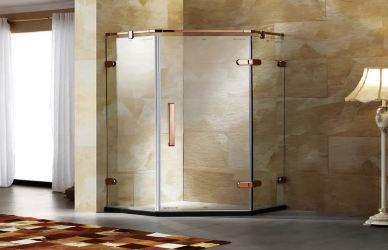
While it might seem like shower doors should fit any shower, the truth is that shower doors are not always universal. Various factors, such as shower dimensions, wall types, and design styles, play a role in determining whether a standard shower door will work. Here’s an overview of why standard shower doors may not be compatible with every shower and the solutions available for unique spaces.
Standard shower doors are designed to fit the most common shower openings, but there are many variations in bathroom designs that can make these doors unsuitable for certain installations:
Shower Dimensions: Not all shower openings fall within the standard 22–36 inch width range. Many showers have irregular or custom sizes, requiring a door that fits precisely.
Wall Types: The type of wall in your shower (e.g., tile, acrylic, fiberglass) can affect the installation of a shower door. Irregularities in wall shape or uneven surfaces can make standard doors incompatible.
Shower Designs: Some showers, like corner showers, curved showers, or walk-in showers, may require doors that are more tailored to the specific design or shape, making standard options unsuitable.
For shower openings that fall outside of the standard size range, adjustable shower doors can provide a solution.
Flexible Sizing: These doors are designed with adjustable frames or mechanisms that can accommodate a variety of shower openings.
Versatility: Adjustable doors are ideal for those looking for a quick solution without the need for custom fabrication. They can fit narrower or wider openings, making them a popular choice for remodels or non-standard shower configurations.
In cases where standard or adjustable doors won’t work, custom shower doors are the best option:
Custom Measurements: Manufacturers offer made-to-order shower doors, tailored to the exact dimensions and specifications of your shower. This ensures a perfect fit, whether for a unique shower shape or an unusually sized opening.
Design Flexibility: Custom shower doors can also be crafted to suit specific design preferences, such as frameless doors for a modern look or special hardware for specific aesthetics.
Accessibility Needs: For those requiring wider doors for accessibility, custom doors can be designed to meet ADA compliance or specific mobility needs.
Answer: Shower doors must be compatible with the specific dimensions and design of your shower opening. While standard doors are suitable for most setups, non-standard spaces may require adjustable or custom shower doors to ensure a proper fit and functionality.
Answer: To determine if your shower opening is standard size, measure the width and height at multiple points of the shower entry. Standard shower openings typically range from 22–36 inches in width. If your measurements fall outside this range, you may need a custom solution.
Answer: Frameless shower doors often require more precise measurements and professional installation to ensure a perfect fit. While they offer a sleek, modern look, they may be more challenging to install than framed doors, which are easier to work with and more forgiving of slight variations in measurements.
Answer: Sliding shower doors are ideal for smaller spaces and can fit a variety of shower types. However, they may not be suitable for irregular or extremely small openings. Always check the size compatibility of sliding doors before purchasing to ensure they fit your shower dimensions.
Choosing the right shower door is crucial for both functionality and aesthetic appeal in your bathroom. Accurately measuring your shower opening and understanding the different types of doors available—such as hinged, sliding, or frameless—is key to ensuring a proper fit and easy operation. While some shower doors are universal and can fit most shower configurations, others may require customization to ensure a perfect fit, especially for non-standard or unique shower designs.
It's important to consider factors such as shower size, door type, and material options when selecting your shower door. For the best results, it's always a good idea to consult with professionals who can provide tailored advice and installation services to ensure the door meets both your functional and aesthetic needs. By doing so, you can enjoy a seamless, durable shower door that enhances the look and functionality of your bathroom for years to come.


Tel : +86-760-89921987
Fax : +86-760-88483779